The clearest signs you need a switchboard upgrade are ceramic fuses, no safety switches, a burning smell, flickering lights and circuits that keep tripping. At Murphy's Electrical & Data, we see all of these in older homes across Nowra and the Shoalhaven. This guide walks through the warning signs you can spot yourself, without needing to understand the technical rules behind them.
Key Takeaways
- Ceramic fuses, missing safety switches, a burning smell, flickering lights and frequent tripping are all warning signs that your switchboard needs attention.
- Your main switchboard is the central safety point for your home's electrical system. Problems at the meter box should never be ignored.
- Only a licensed electrician can legally work on a switchboard, consumer mains or meter box in NSW.
- Planning solar, a battery or an EV charger often shows that the existing board can't safely take the extra load.
- If you spot any of these signs, call Murphy's Electrical & Data on 0423 529 267 or read about our switchboard upgrade service in Nowra.
Introduction: Why Your Switchboard Matters More Than You Think
Your switchboard is where power enters your home and gets shared out safely to every circuit, from the lights and power points to the oven, air conditioning and hot water. It's also where the protection devices that stop shocks and electrical fires live, so its condition affects the safety of the whole house.
Plenty of homes around Nowra, Bomaderry and North Nowra still have their original fuse boards, installed long before today's appliances and safety standards. Murphy's Electrical & Data is a family owned and operated electrician based in South Nowra, with over 25 years of experience and NSW Electrical Contractor's Licence 275815C, and we issue a Certificate of Compliance on every job.
If you notice the serious signs below (a burning smell, scorch marks, repeated tripping or a tingle from an appliance), turn the power off at the main switch if it's safe to do so and call a licensed electrician straight away.
1. Old-Style Fuse Box with Ceramic Fuses and No Safety Switches
A switchboard with ceramic fuses and no safety switches is outdated and should be upgraded. If you open the meter box and see white porcelain fuse holders with thin fuse wire inside, you're looking at decades-old technology. It's common in older houses around Nowra, Bomaderry and Nowra Hill.
Rewireable fuses are a problem because:
- The fuse wire can be replaced with thicker wire, which defeats the protection completely.
- Fuses only protect wiring from overheating. They don't protect people from electric shock.
- Older boards often have no safety switches (RCDs) at all. A safety switch detects current leaking to earth and cuts the power in a fraction of a second, which is what protects your family from electrocution.
If your board has only fuses and no safety switch with a test button, treat an upgrade as a priority.
2. Flickering Lights, Buzzing, and Frequent Tripping of Circuit Breakers
Lights that flicker or dim across the house when an appliance starts usually point to a problem at the switchboard or supply, not the globe. A single flickering light may just be a failing globe, but house-wide flickering is different.
Symptoms to watch for:
- Lights dimming when the oven, air conditioner or kettle switches on
- Buzzing, crackling or snapping from the switchboard, which can mean arcing or loose connections
- Circuit breakers tripping or fuses blowing more often than they used to
Frequent tripping usually means a circuit is being asked to carry more than it was designed for. Homes that have added appliances over the years often run into this because the original board was never sized for today's demand. Resetting the same breaker over and over without finding the cause isn't safe. Note which circuit is tripping and have a licensed electrician inspect it. A new board with a protection device on each circuit often fixes the problem for good.
3. Burning Smell, Scorch Marks, or Heat Around the Meter Box
A burning smell from the switchboard means something is overheating, and it's one of the most serious warning signs there is. Don't ignore it.
Look out for:
- A burnt plastic or fishy smell near the meter box
- Brown or black scorch marks on the panel or enclosure
- Melted plastic around fuses or breakers
- A cover or panel that feels warm. A switchboard should never feel warm.
These signs usually point to loose connections, undersized consumer mains or corroded parts overheating under load. Don't open the board or touch anything inside it. If you can safely reach the main switch, turn it off and call a licensed electrician immediately. Where there's heat damage, replacing the switchboard is often safer and more reliable than patching it.
4. No Room for Growth: Adding Solar, Batteries or an EV Charger
Adding solar, a home battery or an EV charger often means the switchboard needs upgrading first. Each of these needs spare space on the board, its own dedicated circuit and correct protection, and the board and consumer mains need enough capacity to carry the extra load.
It's a common story in the Shoalhaven. A homeowner books in an EV charger or rooftop solar, and the installer finds the existing board has no spare space and is already close to its limits. These systems can't simply be squeezed onto an overloaded board. Sometimes the consumer mains also need upgrading, and larger homes or those with big air conditioning or workshop loads may need to look at a three-phase supply.
If you're planning solar, a battery or an EV charger, have your switchboard assessed early. Doing the upgrade once, sized for what's coming, is far less disruptive than doing it twice.
5. Your Home's Age, Asbestos Panels and Outdated Meter Boxes
If your home was built before about 1990, the backing panel behind your fuses may contain asbestos. Asbestos-containing boards were widely used in meter boxes for decades, and many are still in place in older Shoalhaven homes.
Clues to look for:
- A dark, dense backing board behind the fuses
- Old painted panels with no circuit labels
- Original ceramic fuses in a house more than 30 years old
Asbestos is generally low risk if it's left alone, but drilling or cutting it releases harmful fibres, and that's often unavoidable during a switchboard upgrade. Never drill, cut or remove anything around the meter box yourself. Have a licensed electrician assess it, and a licensed asbestos removalist handle the panel where required.
Age matters too. If your home is over 30 years old and the wiring and switchboard haven't been checked in a long time, especially after renovations or extensions, it's worth having them inspected.
6. Everyday Electrical Safety Red Flags Around the Home
A failing switchboard often shows up first as small electrical problems around the house. Signs include:
- Fuses blowing on the same circuit again and again
- A tingle or shock when touching an appliance or outdoor tap, which can point to an earthing fault or missing protection
- Power points that are loose, cracked or discoloured
- Circuits that struggle with normal household use
These problems can come from poor earthing, old protection devices, ageing consumer mains or circuits added over the years without anyone reviewing the whole board. Keep a short list of what happens, which rooms lose power and what was running, because it gives your electrician a head start. Upgrading to modern circuit breakers, safety switches and surge protection often fixes several recurring problems at once.
7. What a Modern Switchboard Upgrade Involves (In Plain English)
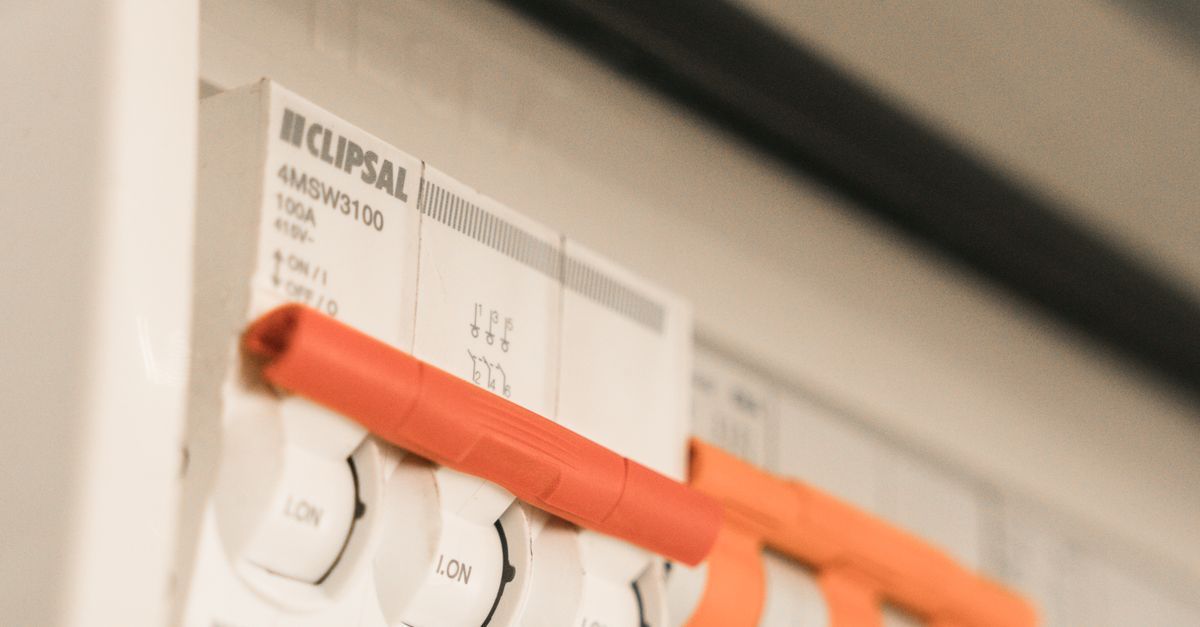
A switchboard upgrade replaces old fuses with a new board fitted with modern circuit breakers and safety switches, then tidies and labels every circuit. Many homeowners choose combined breaker and safety switch devices (RCBOs) so each circuit has its own protection. A fault on one circuit then won't cut power to the whole house.
The job often includes checking the consumer mains, main earth and meter box layout so everything meets AS/NZS 3000 and NSW requirements. All switchboard and meter box work in NSW is licensed electrical work, and Murphy's Electrical & Data issues a Certificate of Compliance when it's finished.
On the day, expect the power to be off for a while. A standard residential upgrade typically takes four to eight hours. Clear access to the meter box helps, and once we're done we'll show you how to reset a breaker and use the test button on your safety switches.
8. When to Call Murphy's Electrical & Data
Call us if you see ceramic fuses, have no safety switches, notice a burning smell, have circuits that keep tripping, or are planning solar, a battery or an EV charger. Any of these means your electrical system needs a professional look.
Murphy's Electrical & Data assesses your switchboard and meter box, checks consumer mains capacity, advises on any safety issues and completes compliant switchboard upgrades across Nowra, Berry, Kangaroo Valley, Ulladulla and the wider Shoalhaven. We're family owned and operated, with over 25 years of experience and NSW Electrical Contractor's Licence 275815C, and we issue a Certificate of Compliance on every job.
Phone 0423 529 267 or visit our switchboard upgrade in Nowra page to arrange an inspection. Sorting switchboard problems early protects your family, your home and any upgrades you have planned.
Frequently Asked Questions
How often should I have my home switchboard checked?
Have your switchboard checked whenever you notice a warning sign, and more often if your home is over 30 years old or has had major renovations. Flickering lights, a burning smell, frequent tripping or ceramic fuses with no safety switches all call for an inspection now rather than later.
Can I do any switchboard work myself if I am careful?
No. In NSW, working on a switchboard, meter box or consumer mains is licensed electrical work. The only safe things for a homeowner to do are switch a tripped breaker fully off and back on, and press the test button on a safety switch. Don't replace fuse wire, swap breakers or drill near the meter box.
Will I lose power for long during a switchboard upgrade?
For a typical house, the power is off for about four to eight hours while the old board comes out, the new one goes in and every circuit is tested. Charge your devices beforehand and keep the fridge closed. Jobs involving asbestos or consumer mains upgrades can take longer and may need to be coordinated with the electricity network.
Do I have to upgrade my switchboard before installing solar or an EV charger?
Not always, but many older boards with ceramic fuses, no spare space or limited capacity need work before solar, a battery or an EV charger can be connected safely. The installer has to confirm the existing board and consumer mains can handle the extra load, so book an assessment early and the work can be finished before installation day.
How do I know if my meter box backing board has asbestos?
You can't tell by looking, so if your home was built before about 1990, assume the backing board may contain asbestos and leave it alone. Don't drill, cut or remove it. Murphy's Electrical & Data can inspect your meter box, tell you what's needed and arrange the next steps, so give us a call on 0423 529 267.